How to make a St Martin's lantern with fuse beads
A bead lantern looks lovely on the table, but on 11 November children want to carry it through the dark. With a sheet of card, some transparent paper, a piece of wire and a battery lantern stick, the ironed bead piece becomes the window of a real lantern that glows. Here is the whole build, what to buy, and the one rule that matters: light it with an LED, never a candle.
Updated 3 November 2026
What you are making
St Martin's Day falls on Wednesday 11 November 2026. In the Netherlands children go from door to door in the evening with a lantern and sing for a sweet or a mandarin; in Germany there is a lantern walk, often behind a rider on a horse, and a fire at the end. Either way the lantern is the point, and it has to survive a walk.
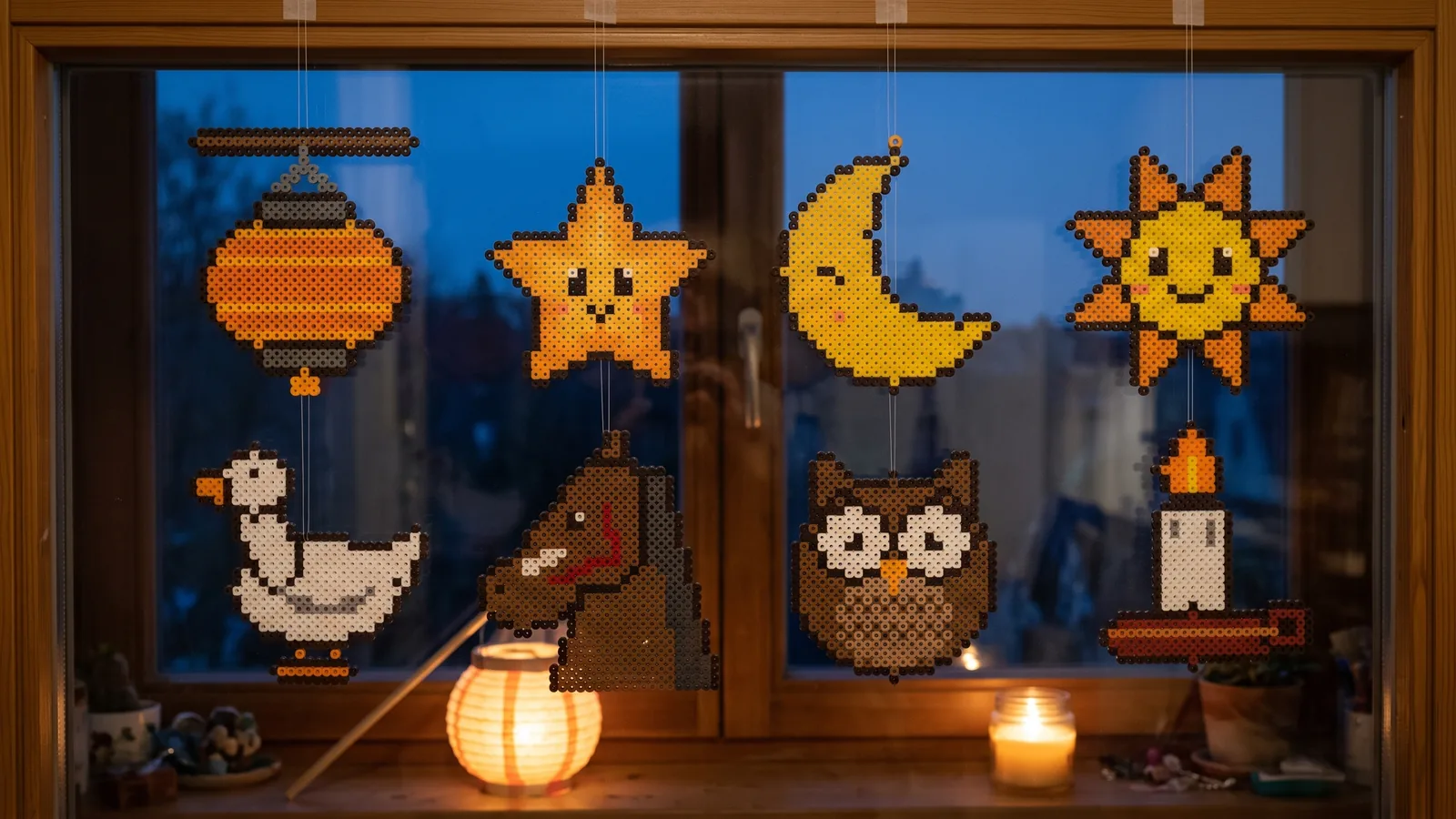
The lantern below is a tube of dark card with a window cut into the front. Behind the window sits a sheet of transparent paper; in front of it sits your ironed bead piece. The LED inside lights the paper, and the light shows through around the beads and through their holes, so the bead shape stands out against a glowing background.
Step 1: choose and make the bead piece
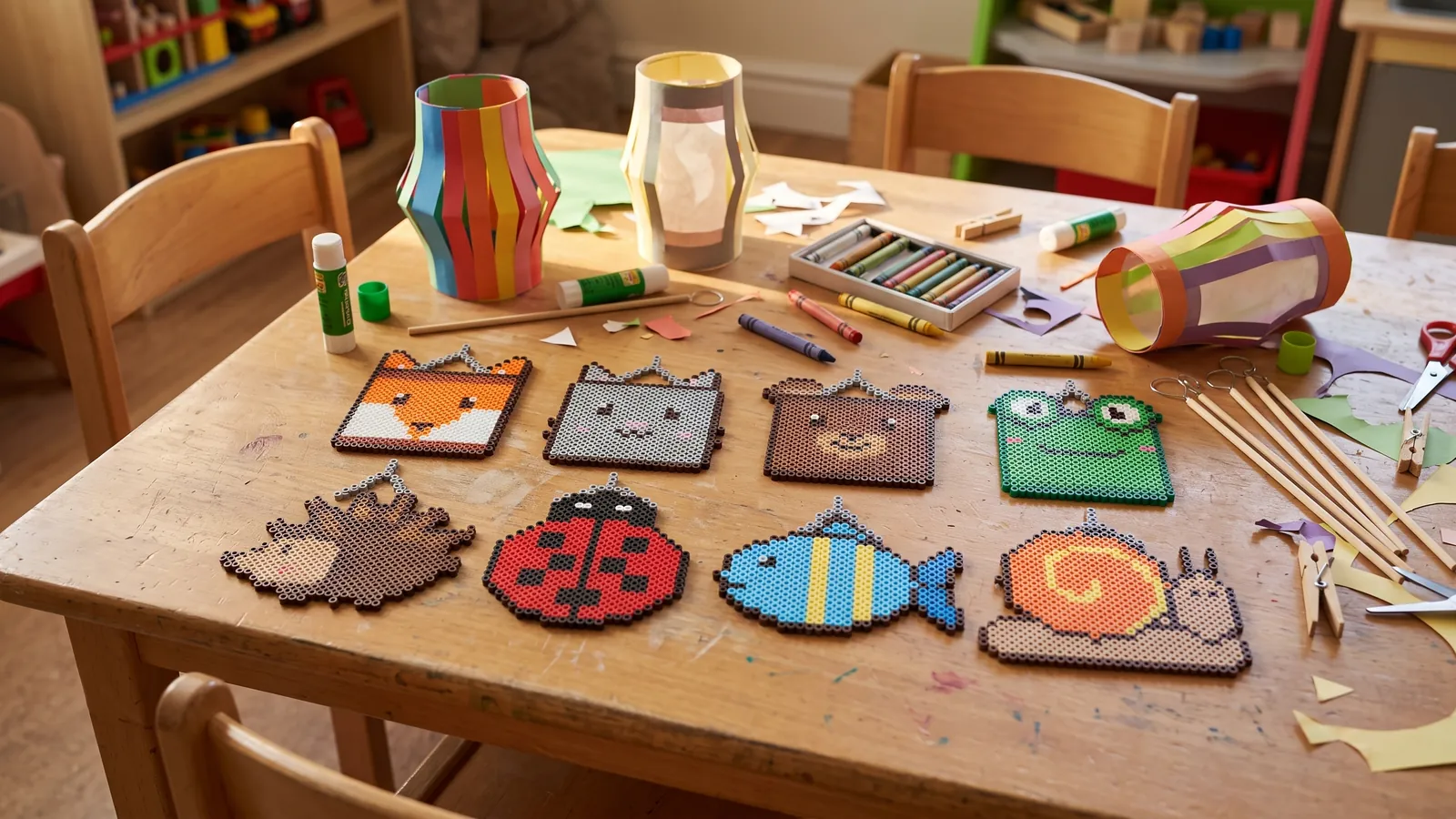
Pick a pattern with a clear outline and not too much black, because black beads block the light. A star, a fox, a moon or a rocket works well; the free patterns below are a good place to start. Build it on a 29 × 29 square pegboard as usual.
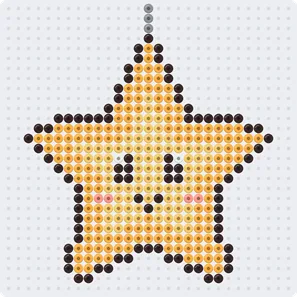
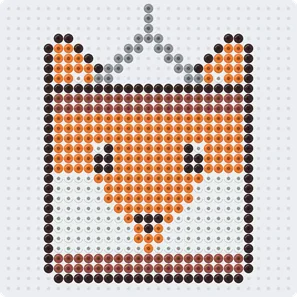
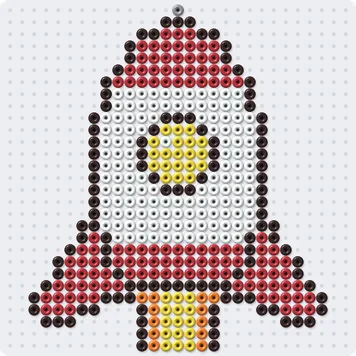

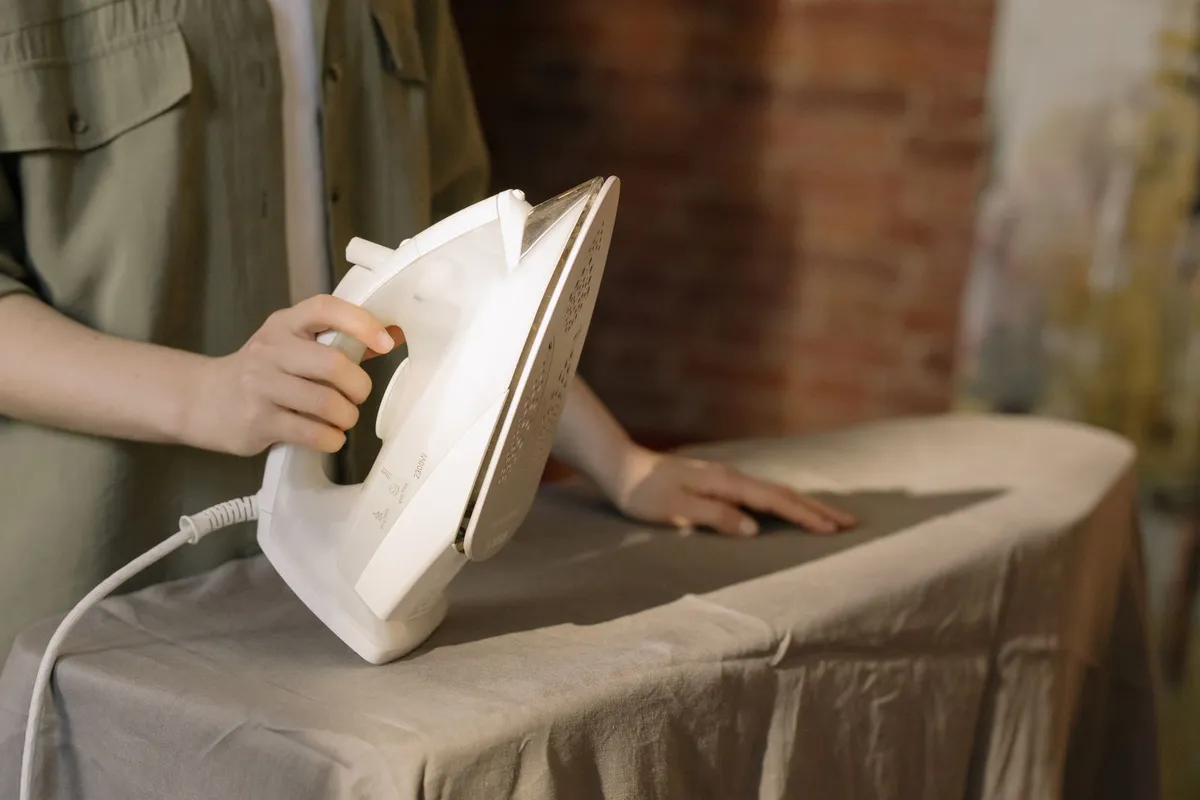
Iron it on both sides, a little lighter than usual, so the bead holes stay open: that is where the light comes through. Let it cool flat under a book so it doesn't curl; a curled piece won't sit flat on the lantern. An adult does the ironing. The steps are in how to iron fuse beads.
Step 2: the tube
- 1Lay the A4 card in landscape. Draw a line 2 cm from each long edge: the top and bottom margins.
- 2Put the bead piece in the middle of the card and trace around it. Draw a second outline 1 cm inside the first: that is your window. It is smaller than the bead piece, so the beads cover the edge of the cut.
- 3Cut out the window. An adult with a craft knife on a cutting mat is quickest; children can use scissors after poking a starting hole.
- 4Glue a piece of transparent paper behind the window, 2 cm bigger than the hole on every side.
- 5Roll the card into a tube with the window on the outside, overlap the ends by 2 cm and staple or glue them.
Step 3: the bottom and the handle
- 1Stand the tube on a second piece of card and draw around it. Cut the circle out with a 1.5 cm border, snip the border into tabs every 2 cm, fold them up and glue them inside the bottom of the tube.
- 2Punch two holes opposite each other, 1.5 cm below the top edge, at the sides, not above the window.
- 3Thread a 40 cm piece of craft wire through both holes and twist each end round itself. Bend the middle up into an arch: that is where the lantern stick hooks in.
Step 4: put the bead piece on
Spread craft glue thinly on the card around the window, not on the transparent paper, and press the bead piece on so it covers the window evenly. Lay the lantern on its back and put a book on the bead piece for half an hour. Hot glue holds faster, but it is a job for an adult: keep the glue on the card and press the piece on before it sets.
Step 5: the light
Hook a battery lantern stick into the wire arch. The LED hangs inside the tube and lights the transparent paper from behind. Turn it on in a dark room first: if the shape looks flat, a second layer of transparent paper in a warm colour (yellow or orange) makes the beads stand out more.
Never put a candle or a tea light with a flame in this lantern. Fuse beads are made of plastic that softens with heat (that is how ironing fuses them), and the tube is paper and card. An LED stays cool. If your lantern stick takes batteries, put fresh ones in on the afternoon of the walk and pack a spare set.
On the evening
- Children carry the lantern by the stick, low and straight, so the LED doesn't swing against the side.
- If it rains, put a clear freezer bag over the lantern and twist it shut under the bottom.
- Afterwards, take the bead piece off carefully and hang it in the window: it is the part that lasts until next year.
More lantern patterns
The St Martin pack, Animal lanterns and Shaped lanterns each have eight lantern patterns on one pegboard each, with every colour and bead count on the printed pattern. One pattern in every pack is free to try. For the treats after the walk, see Door to door on St Martin's and Martinsfest, and for which pattern suits which age, St Martin with kids: 9 patterns by age.
Where to buy
The links below go to a search on Amazon. They are paid links: Kippadoo earns from qualifying purchases, and the price stays the same for you.
- Battery lantern stick with LED (paid link)
- Transparent paper / kite paper (paid link)
- Dark A4 card (paid link)
- Craft wire (paid link)
- Ironing paper (paid link)
Sources
- Hama, Instructions: ironing paper, small circles, stop when the colours show through, ironing by an adult.
As an Amazon Associate, Kippadoo earns from qualifying purchases.
Questions
No. Fuse beads are plastic that softens with heat, and the lantern is paper and card. Use a battery lantern stick or an LED tea light only.
Wednesday 11 November 2026. Lantern walks and door-to-door singing are usually that evening; some schools and towns hold their walk on a day close to it.
One with a clear outline and few black beads, such as the star, moon, fox or rocket lantern. Black beads block the light; light colours glow.
Iron a little lighter than usual so the bead holes stay open, and put transparent paper behind the window. The light comes through the holes and around the beads.
Yes. Glue it to the card around the window only, and after the walk it comes off and can hang in the window or go on next year's lantern.